-
-

In modern land management and civil engineering, effective water control remains one of the most important factors determining land health and productivity. Whether you are managing farmland, preparing building foundations, or developing new landscapes, properly handling surface and groundwater helps prevent flooding, soil erosion, and significant crop losses.
Learning how to correctly lay plastic land drainage pipes allows excess water to be redirected safely away from problem areas. This protects soil structure, promotes healthy root development, and keeps land usable and productive throughout the year.
This comprehensive guide covers the fundamental purpose of land drainage and its impact on yield and stability, the essential tools and materials required, a detailed step-by-step process for installing HDPE drainage pipes, common mistakes that can undermine performance, and practical maintenance practices that ensure long-term effectiveness. By the end, you will have field-tested knowledge to design and install a sustainable, low-maintenance drainage system suitable for agricultural fields, sports grounds, or residential properties.
Land drainage is a controlled process of removing excess water from soil layers to maintain an optimal moisture balance for healthy plant growth and structural stability. Its benefits span agricultural productivity, environmental protection, and infrastructure safety.
Well-drained soils improve aeration around plant roots, which accelerates nutrient uptake and supports stronger growth. Research consistently shows that properly drained fields can deliver 15–25% higher annual crop yields compared to poorly drained areas. Beyond agriculture, effective drainage reduces surface runoff and soil erosion, helping retain valuable topsoil and minimizing sediment pollution in nearby waterways. In urban and suburban settings, these systems play a vital role in preventing flooding and protecting building foundations during periods of heavy rainfall.
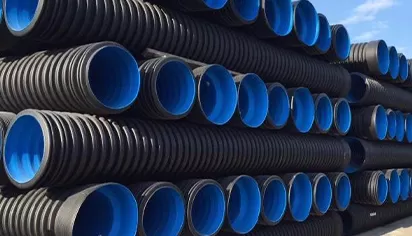
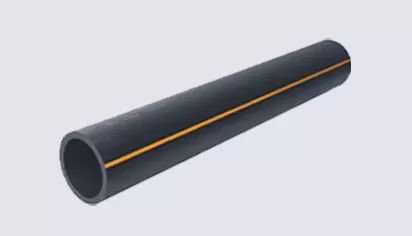
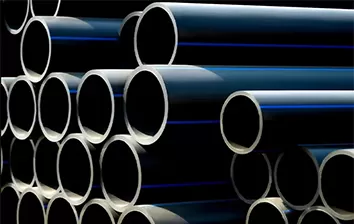
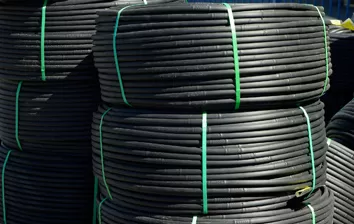
Leading manufacturers such as Jiangte produce high-density polyethylene (HDPE) land drainage pipes that combine exceptional strength, flexibility, and chemical resistance. These pipes ensure reliable water flow even under extreme climatic conditions, making them ideal for long-term subsurface drainage applications.
Proper preparation of tools and materials significantly improves installation efficiency and final system performance. Key tools include shovels or trenching spades for digging uniform trenches, level rods and a spirit level to maintain the correct gradient, a pipe cutter or fine-tooth saw for clean cuts on HDPE pipes, and essential protective gear such as gloves, boots, and safety glasses.
The main materials required are high-quality plastic land drainage pipes (typically HDPE or PE), which are lightweight, flexible, and highly resistant to corrosion. Geotextile fabric acts as a filter barrier to prevent soil particles from entering the pipe perforations while still allowing water to flow freely. Clean gravel or aggregate sized between 10–20 mm provides effective water filtration and prevents clogging. Finally, inspection chambers and compatible couplings ensure accessible maintenance points and secure pipe connections.
Jiangte's HDPE perforated pipes are manufactured to meet EN 13476 and ISO 8770 standards, offering high ring stiffness ratings (SN 8–SN 12) that deliver excellent structural performance in long-term subsurface drainage installations.
Successful installation begins with thorough site assessment and planning. Identify low-lying or waterlogged zones and design the pipe layout so that each drainage line slopes consistently toward the main outlet or manhole. An optimal gradient typically ranges from 1% to 2%, which equates to a drop of 1–2 cm per meter of pipe length.
Once the layout is finalized, excavate trenches approximately 300 mm wide and 450–600 mm deep, adjusting the depth according to the local water table and soil conditions. Keep the trench sides smooth and uniform to provide stable support for the pipe.
Line the bottom and sides of the trench with permeable geotextile fabric. This layer prevents silt and fine soil particles from migrating into the perforated pipe while permitting unrestricted water entry.
Next, create a stable bedding by pouring a 75–100 mm layer of clean, washed gravel along the trench base. Level it carefully to preserve the designed slope and ensure even support under the pipe.
Position the perforated plastic drainage pipes with the holes facing downward, ideally oriented at the 4 o'clock and 8 o'clock positions. Connect individual pipe sections using appropriate couplings or clips designed for the pipe material.
Cover the installed pipe with an additional 100–150 mm layer of gravel, then fold the geotextile fabric over the top to fully enclose the aggregate bed, forming an effective natural soil filter. Finally, backfill the remaining trench with native soil up to ground level and compact it lightly to avoid damaging the pipe.
When completed correctly, the system delivers efficient subsurface drainage that effectively manages even heavy rainfall without allowing soil infiltration.
Several preventable errors can significantly reduce the lifespan and effectiveness of a land drainage system. An incorrect slope is one of the most common issues — a gradient that is too flat prevents proper water flow, while one that is excessively steep can cause internal erosion within the trench. Using a laser level or water level throughout installation helps verify consistent gradient.
Skipping the geotextile fabric lining allows fine soil particles to enter and quickly clog the pipe perforations. Similarly, using poor-quality backfill material such as fine sand instead of properly graded gravel accelerates sediment buildup and blockage. Choosing low-grade, thin-wall pipes can lead to deformation under soil pressure, whereas premium PE pipes from Jiangte provide superior crush resistance and maintain structural integrity over time.
Another frequent oversight is omitting inspection points. Incorporating accessible chambers allows for future cleaning and flow monitoring, making long-term maintenance far more practical. Adhering to these best practices ensures reliable performance and compliance with relevant national drainage specifications.
A professionally installed plastic land drainage system requires relatively little ongoing upkeep, but regular attention helps sustain optimal flow capacity. Conduct annual inspections, particularly after heavy rainfall seasons, by checking inspection chambers and outlets for any accumulation of debris or sediment.
If blockages develop, use a low-pressure water jet or drain snake to clear the lines effectively. Keep trees and shrubs from growing too close to the pipe zones, as aggressive root systems can cause damage over time. Maintain stable ground cover or turf above the trenches to minimize surface erosion. Keeping detailed records of the system layout simplifies any future repairs or extensions.
Consistent preventive care not only reduces long-term maintenance costs but also preserves the drainage efficiency of the entire installation for many years.
Properly laying plastic land drainage pipes can transform waterlogged or poorly drained land into fertile, stable, and highly productive areas. By understanding core drainage principles, selecting the right equipment and materials, and following a meticulous installation process, you can achieve reliable water management with lasting results.
Avoid common shortcuts by maintaining correct slope gradients, using high-quality HDPE or PE pipes, incorporating effective filtration layers with geotextile and gravel, and planning for periodic maintenance.
As a trusted manufacturer, Jiangte offers a comprehensive range of PE and PPR piping solutions specifically engineered for agricultural and municipal drainage systems. Their products combine exceptional strength, environmental responsibility, and full compliance with international standards, helping you build durable drainage infrastructure that performs reliably for decades.