-
-

Choosing between HDPE pipe vs PVC pipe is a common decision in municipal water supply, irrigation and infrastructure projects. Both are corrosion-resistant plastic piping materials, but they behave differently during installation, joining and long-term operation.
HDPE is flexible and can be heat-fused into long, continuous pipeline sections, making it attractive where ground movement, trenchless installation or joint integrity matters. PVC is more rigid and is widely used where straight pipe runs, standardized pressure classes and conventional installation methods are preferred.
The best pipe for water supply therefore depends less on which material is universally “better” and more on project pressure, soil conditions, installation method, diameter, route geometry and lifecycle requirements.
The main difference in an HDPE pipe vs PVC pipe comparison is that HDPE is flexible and fusion-joined, while PVC is rigid and commonly installed with gasketed or other standardized joint systems.
Both materials are established options for pressure-water infrastructure. The current AWWA plastic pipe standards include C900-22 for PVC pressure pipe from 4 to 60 inches (100–1,500 mm) and C906-21 for PE pressure pipe and fittings from 4 to 65 inches (100–1,650 mm).
| Factor | HDPE Pipe | PVC Pipe |
|---|---|---|
| Material behavior | Flexible | Rigid |
| Typical joining | Butt fusion/electrofusion | Gasketed or specified mechanical/solvent systems |
| Ground movement | Better ability to accommodate movement | Requires greater control of alignment and bedding |
| Trenchless installation | Highly suitable | Depends on pipe and installation method |
| Corrosion resistance | Excellent | Excellent |
| Typical project focus | Water mains, difficult routes, trenchless work | Water distribution, irrigation, straight conventional installations |
This plastic pipe comparison also shows why the installation environment matters. A pipe material that performs well on a straight, conventional trench may not necessarily be the optimum choice for a route involving directional drilling, unstable ground or frequent changes in alignment.
JIANGTE supplies municipal piping systems covering PE water supply, drainage and other infrastructure applications, allowing project requirements to be evaluated by system rather than material name alone.
HDPE pipe is particularly advantageous in water supply systems where flexibility, fused joints, corrosion resistance and installation adaptability are important.
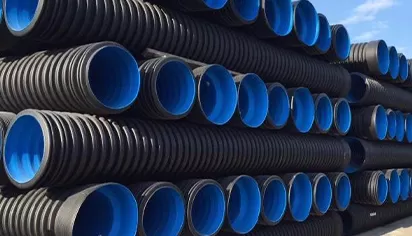
One of HDPE's most distinctive characteristics is flexibility. It can accommodate gradual changes in pipeline alignment and is well suited to installation conditions where soil settlement or ground movement needs to be considered. Long sections can also be joined by butt fusion or electrofusion, reducing dependence on numerous individual mechanical joints.
Fusion is especially important for buried water networks. Properly performed joints create a continuous polyethylene pipeline rather than a series of separate pipe sections. The Plastics Pipe Institute municipal HDPE guidance includes dedicated procedures for electrofusion, inspection, repair and trenchless installation of PE4710 piping.
HDPE is also attractive for horizontal directional drilling and other trenchless projects because its flexibility can simplify installation through curved underground routes.
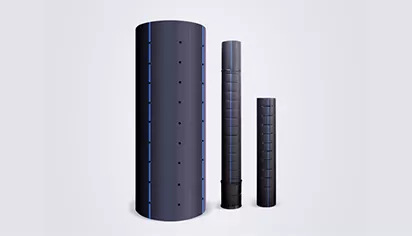
For larger municipal projects, JIANGTE's PE pipe for water supply is available up to DN1600, and special sizes can also be customized according to project requirements. JIANGTE states that it introduced 1600 mm large-diameter pipe equipment in 2024.
These characteristics make HDPE a strong water supply pipe material for transmission mains, municipal networks and projects where installation conditions are challenging.
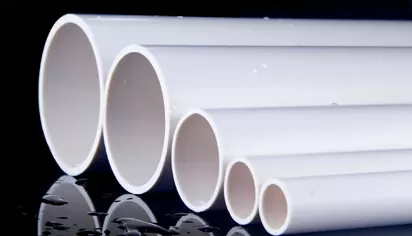
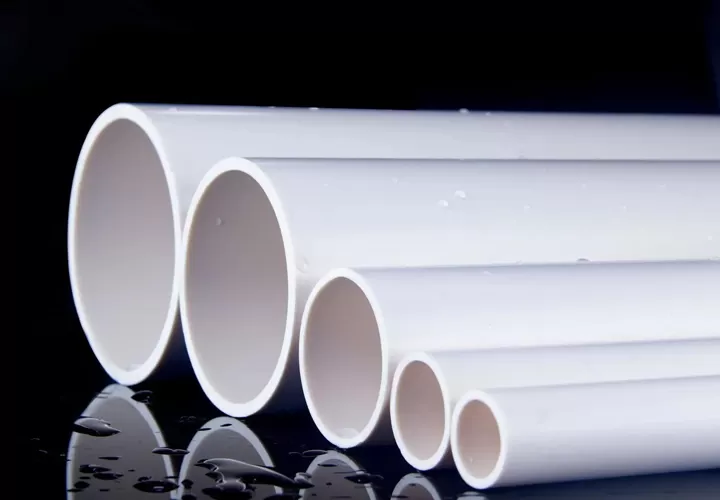
PVC pipe is a rigid plastic piping material widely used where predictable alignment, standardized dimensions and conventional installation methods suit the water distribution design.
Pressure-rated PVC can be used for municipal water distribution and irrigation systems, provided the selected pipe class and specification match the required pressure and local engineering standards. Its rigid structure can make straight pipeline layout and dimensional control straightforward, while its smooth interior and corrosion resistance support water conveyance.
PVC can also offer an attractive initial material cost for many conventional projects. However, cost should not be evaluated independently from excavation, fittings, joint construction, bedding, labor and future maintenance.
The main limitation in an HDPE vs PVC pipe decision is PVC's lower flexibility. Where a route requires significant bending, ground movement or certain trenchless installation techniques, the project may require additional fittings or a different installation strategy.
For potable-water projects, material type alone is not sufficient to establish suitability. Pipes, fittings and joining materials should satisfy the applicable health and project standards. NSF/ANSI/CAN 61 for drinking-water system components establishes health-effects criteria covering pipes and related products that come into contact with drinking water.
Choosing between HDPE and PVC pipes requires matching the pipe's mechanical and installation characteristics to the actual water supply project rather than selecting by material price alone.
For a practical HDPE pipe vs PVC pipe decision, engineers and buyers should consider:
Installation environment: HDPE is particularly useful for trenchless routes, uneven terrain and locations where flexibility is valuable.
Joint strategy: Fusion-joined HDPE can reduce the number of mechanical joints, while PVC systems may be preferable where established gasketed installation practices are already available.
Pipeline design: Pressure class, diameter, flow requirement, burial depth, soil condition and route geometry should all be reviewed before purchasing.
Lifecycle economics: Compare pipe price together with fittings, trench work, joining equipment, labor, testing, maintenance and potential repair costs.
There is therefore no single best pipe for water supply in every situation. A long transmission main installed by directional drilling may strongly favor HDPE, while a conventional straight distribution network can make pressure-rated PVC a practical option.
For major projects, the specification should ultimately be confirmed by the project engineer according to local codes, pressure requirements and approved materials.
The HDPE pipe vs PVC pipe decision should be based on engineering conditions rather than a simple material ranking. HDPE provides flexibility, fusion joining and strong adaptability to trenchless or movement-prone installations, while PVC offers rigidity, standardized pressure applications and practical performance in conventional water distribution systems.
For buyers evaluating the right water supply pipe material, JIANGTE can support project-specific pipe selection, diameter requirements and municipal piping solutions. Project teams with specific pressure, diameter or installation requirements can contact JIANGTE for technical and quotation support.
Neither is universally better. HDPE is often preferred where flexibility, fused joints or trenchless installation are important, while PVC can be highly practical for conventional straight water-distribution networks.
HDPE is a flexible polyethylene material, whereas PVC is relatively rigid. Their joining and installation methods also differ, which can significantly affect project design.
Yes, HDPE can be used in potable-water systems when the selected pipe, fittings and materials comply with the relevant drinking-water and project standards.
Yes. Pressure-rated PVC is widely standardized for waterworks applications. AWWA C900, for example, covers PVC pressure pipe and fabricated fittings from 4 to 60 inches.
HDPE is particularly useful where ground movement, curved alignments or trenchless installation need to be accommodated. Conventional buried installations can successfully use either HDPE or PVC when properly designed and installed.
Evaluate operating pressure, diameter, flow requirement, installation method, soil conditions, route geometry, joint requirements, applicable standards and total lifecycle cost before making the final material selection.