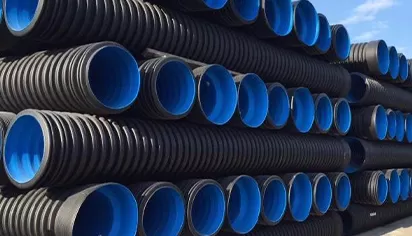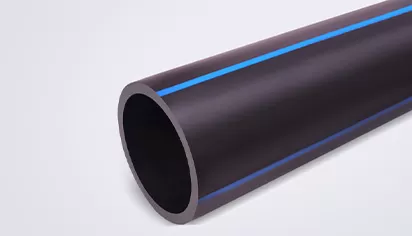
Size: SDR 17 DN400mm
Read More
-
-

When building any plumbing system, you will inevitably use PVC connectors. Understanding how to properly join pipe sections with couplings is essential for ensuring the success of your project. By using high-quality PVC products, you can be confident in creating a durable and reliable plumbing system.
In modern plumbing, PVC, or polyvinyl chloride, is the material of choice for drain systems. It's widely used in residential, commercial, and industrial plumbing due to its easy installation, longevity, and affordability. One of the crucial components in assembling PVC piping is the coupling.
A PVC coupling is a fitting used to connect two pieces of PVC piping, joining them into one continuous system. These couplings have groove indentations that allow specific sizes of pipes to fit securely into each side of the connector.
PVC connectors come in various sizes, such as one-and-a-half, two, three, four, and five inches, with each size corresponding to the size of pipe it can connect. For instance, a two-inch PVC coupling is designed to join two sections of two-inch PVC pipes.
Working with PVC piping is simple for both homeowners and professionals. It doesn't require many specialized tools, making it a versatile material for various plumbing tasks. PVC pipe connections are generally secured with adhesive.
If you're modifying existing piping, tools such as a pipe cutter, measuring tape, and marker are necessary to ensure accurate measurements. Always follow the product guidelines when working with PVC to ensure the right fit and proper installation.
To connect PVC pipes, first, use tools like a fine-toothed saw or a PVC cutter to ensure clean, straight cuts. After cutting, remove any burrs and bevel the pipe ends. Clean the bonding surfaces of both the pipe and fitting to remove any dust, oil, or water residue. Apply a specialized adhesive evenly and quickly to both surfaces using a brush.
After applying the adhesive, quickly insert the pipe into the fitting and rotate it a quarter turn to ensure a firm bond. Wipe away any excess adhesive, and allow the joint to cure for 24 hours before testing the system with water pressure.
Understanding the distinction between PVC pipe and PVC conduit is important when selecting the right material for your plumbing project. PVC conduit is typically used for electrical systems, while PVC pipe is designed for plumbing applications.
Connecting PVC piping to a coupling is a relatively simple process. Start by measuring the existing pipe to ensure it fits snugly into the coupling up to the groove. If you’re not using a traditional pipe cutter, be sure to debur any edges left from the cut.
Before applying primer or cement, dry-fit the pipes to confirm they fit correctly. Once you're confident in the fit, put on gloves and apply PVC primer to both the outside of the pipe and the inside of the coupling. Wait about a minute for the primer to dry, then apply PVC cement over the primed areas.
Insert the pipe into the coupling, turning it a quarter turn to ensure proper bonding between the pipe and the fitting. Hold the connection in place for about 30 seconds while the cement sets, then allow the joint to cure for at least 30 minutes before applying any pressure or testing with water.
Although connecting PVC couplings is relatively easy, there are some important tips to follow to ensure a durable, long-lasting connection. Make sure the pipes fit snugly and check for any rough edges that need to be deburred before applying cement.
It's essential to use primer before cementing the joints. Skipping this step may lead to weak joints that don't bond properly, reducing the overall strength and longevity of the plumbing system.
Many beginners face challenges when learning how to connect PVC pipes with couplings, often due to confusion around the different types of fittings and connections.
One common mistake is not applying enough primer or cement to the joints. Both are crucial to ensuring a strong bond. Without primer, the pipe and fitting won't be properly prepared for bonding, leading to weak joints.
Leaks in PVC connectors can occur due to misalignment when inserting the pipe into the coupling. It's also possible that the pipe wasn't fully inserted to the groove, or not enough cement was applied. Always ensure the pipe fits securely and that the proper amount of adhesive is used.
A common issue when connecting PVC pipes is misaligning the pipes. PVC couplings are designed for pipes to enter directly, and any deviation can cause gaps, preventing the adhesive from bonding properly. This usually results in leaks or a failed joint.
Maintaining PVC connectors is relatively easy. Ensure you don't introduce harmful substances, like chemicals, into the piping, and avoid applying excessive pressure to the system, which could cause the joints to fail.
If you experience a failure in a PVC coupling, it's likely due to improper installation. There's no quick fix for a failed coupling; you'll need to remove it completely and replace it. Never reuse a coupling once it's been cemented, as it will not bond properly for a new connection.
When constructing a plumbing system, the integrity of the joints is key to its overall strength. By using high-quality PVC products, you can ensure long-lasting, reliable connections, allowing you to depend on your plumbing system for years to come.
Popular Pipes Related Products at JIANGTE: