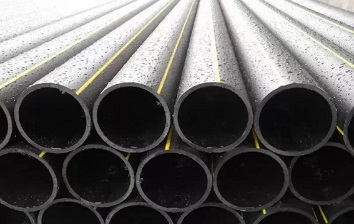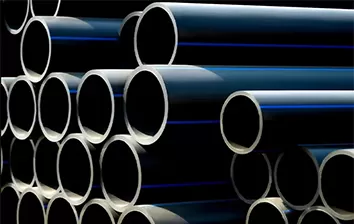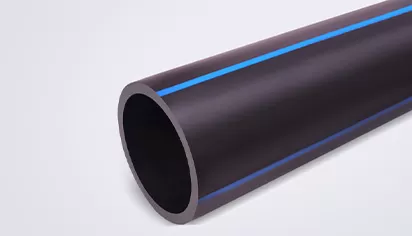
Size: SDR 17 DN400mm
Read More
-
-

Are you planning to install a sewer pipeline for your new home? The installation process can vary depending on the material and diameter of the pipes. This guide will cover the basics of sewer pipe installation, but it's essential to consult with professionals before you begin.
A new sewer line is typically required for new homes or during renovations. As the demand for housing grows, so does the need for updated and expanded drainage systems. It's crucial to prioritize drainage installation in a new building to prevent future complications that may be difficult to fix.
When selecting a sewer pipe, the lifespan of the material is the most important factor to consider. The longevity of the material determines how well it can endure natural conditions. Below are some of the commonly used materials for sewer pipes:
Concrete: Concrete is often considered the best option for underground infrastructure due to its durability and low maintenance requirements. It is readily available, resistant to rot, and can be used in various conditions. Additionally, concrete is eco-friendly and has a long lifespan. However, regular inspections are necessary, and the material can break during installation, requiring careful handling.
Steel: Steel pipes are durable and strong, but their popularity has declined in recent years. There are two types of steel pipes: galvanized iron and cast iron. Steel is prone to rust, which shortens its lifespan and results in frequent repairs and replacements. Steel pipes are also costly to manufacture, transport, and install.
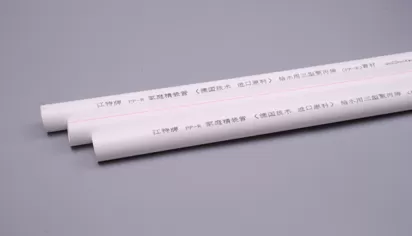
Plastic: Plastic pipes are a favorite among contractors due to their ease of use, lightweight nature, and longevity. They are especially useful in earthquake-prone areas. Plastic pipes are replacing cast iron pipes in many installations, offering fewer maintenance issues and strong construction. They are also convenient to install.
Installing a sewer line can be challenging and requires expertise. The pipe that connects your home to the main sewer line is known as a lateral. This 4-inch pipe is buried below the frost line in a carefully prepared trench. The slope of the trench ensures that wastewater flows through the pipe via gravity.
Follow these steps when installing a new sewer line:
1. Determine the Pipe's Depth: The first step is to determine the elevation of each pipe. Most residential installations begin at the house's main drain, usually located at the foundation. The pipe then connects to the municipal main branch at a point called a tap. You can use a GPS or laser level to accurately measure the elevations.
2. Compute the Slope: Using the depth and the length of the pipe, you can calculate the necessary slope. The formula for determining the slope is:
Total drop in elevation = Ending elevation – Starting elevation
Slope = (Total drop) / (Length of pipe)
A standard minimum slope for most laterals is typically 2 feet per 100 feet of pipe length, or 2%. It's important to ensure the slope is not too steep, as this can lead to clogs from liquids flowing faster than solids. Likewise, a shallow slope may not provide enough velocity for effective drainage.
3. Dig the Trench and Lay the Bedding: Dig the trench carefully to minimize soil disturbance. To avoid soil disruption, compact the soil in the trench. This can be achieved by having a clear understanding of the pipe's termination point and digging a narrow trench. Ensure the trench is smooth, compacted, and follows the required slope. Sand can be used to adjust the soil and ensure proper slope before laying the pipes.
4. Install the Pipe: Start installing the pipes at the lower end of the line and work toward the higher elevation. Ensure that the bell end of each pipe section faces uphill to minimize leaks. At the house end, use at least two cleanouts for easier maintenance and cleaning.
5. Backfill the Trench: After completing the installation and passing inspections, backfill the trench. Start by placing a layer of sand to protect the pipes and eliminate voids. Add soil in layers, compacting each layer to prevent settling over time.
To ensure your sewer system continues to function properly, regular inspections are essential. Schedule annual or semi-annual checkups to assess the condition of the soil, check for root invasions, and evaluate the overall state of the sewer line.
Avoid leaving your sewer line unchecked for long periods, as this can lead to clogs. Hire a professional to carry out regular maintenance on your sewer line. Be sure to vet the company thoroughly to ensure they are qualified to handle the job.
A well-installed sewer line is essential for ensuring your home or property remains free from drainage issues. If you need materials for a new sewer line installation or repairs, JIANGTE offers a range of high-quality products to meet your needs. Their comprehensive selection of products includes over 10,000 specifications for home construction. Visit their website to get a quote and solve your sewer pipe installation needs!
Popular Pipes Related Products at JIANGTE: