-
-

Plastic drainage pipes serve as the foundation of modern stormwater and wastewater management systems. Their lightweight construction, superior corrosion resistance, and cost-effectiveness make them the preferred choice for both residential plumbing and large-scale infrastructure projects across Europe and Asia.
However, the long-term performance of any plastic pipe network depends heavily on the quality of the joints. Incorrect or incompatible joining methods can result in leaks, misalignment, reduced flow capacity, or premature system failure. This comprehensive guide explores the main plastic pipe jointing methods—including fusion welding, mechanical fittings, and solvent cementing—while detailing the tools and materials required, highlighting common pitfalls, and providing practical maintenance advice. Whether you are working on residential drainage, agricultural irrigation, or municipal wastewater lines, mastering these techniques ensures durable, leak-free drainage connections that comply with international standards and deliver decades of reliable service.
Different types of plastic pipes require specific joining techniques to achieve strong, airtight, and watertight seals. The three primary methods are fusion welding, mechanical fittings, and solvent cementing, each suited to particular materials and applications.
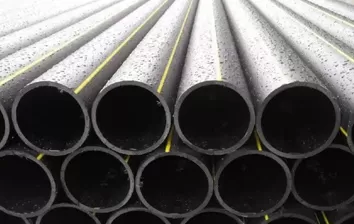
Fusion welding, also known as heat fusion, is the preferred method for PE (Polyethylene) and PP (Polypropylene) pipes. The pipe ends are heated to a precisely controlled semi-molten state and then pressed together under regulated pressure, forming a homogeneous joint that is as strong as the original pipe material. This technique is particularly ideal for underground drainage and pressurized water lines because it creates a continuous polymer structure with excellent resistance to soil loads and thermal expansion. It complies with key standards such as EN 12201 for PE pressure pipes and ISO 21307 for butt-fusion jointing procedures. Jiangte employs automated fusion equipment in the production of its HDPE and PPR lines to ensure consistent quality and full structural integrity across extensive pipe networks.
Mechanical fittings offer flexibility and reusability. These couplings, tees, elbows, and reducers rely on elastomeric gaskets or compression rings rather than heat or chemical solvents. They are especially valuable in systems that may require future modifications or frequent maintenance, such as irrigation networks, and can be assembled quickly using basic hand tools. Proper sizing and correct torque application are essential to maintain seal integrity over time.
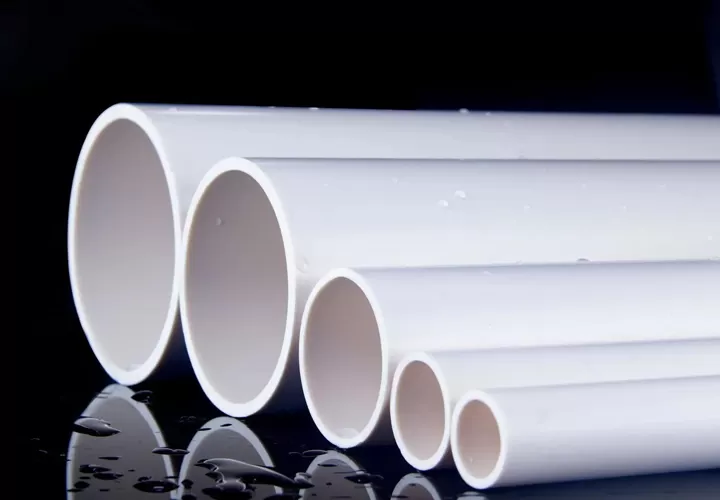
Solvent cementing, or adhesive bonding, is the standard approach for PVC-U (unplasticized Polyvinyl Chloride) and ABS pipes. A specialized solvent cement chemically softens the pipe and fitting surfaces, allowing the polymers to interdiffuse and form a solid, integral joint upon curing. This method provides high resistance to internal pressure and external infiltration when surfaces are clean and dry. It should always follow established guidelines such as ASTM D2855 and EN 14814 for application and curing times. An important engineering consideration is material compatibility: HDPE pipes, for example, cannot be solvent-welded and must instead be joined by fusion or mechanical methods.
Successful plastic pipe jointing depends on selecting fittings that are fully compatible with the pipe material. Material consistency is critical—PPR fittings from Jiangte are manufactured from 100% virgin raw materials to guarantee chemical uniformity, non-toxicity, and reliable temperature resistance, making them suitable for both potable water and drainage applications.
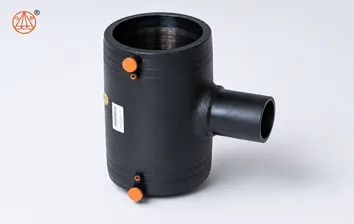
Fitting types vary according to project needs. Electrofusion fittings incorporate built-in heating elements for precise, high-strength joints, while socket fusion or hot-melt fittings provide a more economical solution for smaller-diameter systems. Accurate measurement of both outer and inner diameters is essential, as even a 1 mm deviation can compromise sealing performance. In colder climates common in parts of Europe and northern Asia, fittings with appropriate elasticity ratings help prevent thermal stress cracking.
High-quality systems such as Jiangte's PE and PPR joint components are engineered to maintain performance across wide temperature fluctuations and under heavy soil or traffic loads, ensuring long-term reliability in diverse environmental conditions.
Achieving professional-grade, leak-free plastic pipe joints requires careful preparation and precise execution. Begin by cutting the pipe ends squarely using a fine-tooth cutter or pipe saw, then remove all burrs and surface oxidation with a dedicated scraper. Thoroughly clean the joint surfaces with an alcohol-based cleaner to eliminate oils, dust, and static particles that could interfere with bonding.
Next, perform a dry-fit assembly to verify alignment and proper insertion depth before applying any heat or solvent. When executing the joint, follow the appropriate method: for fusion welding, heat the pipe ends evenly to the recommended temperature range of 200–230 °C, align them carefully, and maintain consistent pressure during the cooling phase. For solvent cementing of PVC, apply a compatible primer followed by an even coating of cement, assemble the joint within 30 seconds, and hold it firmly for 30–60 seconds.
Allow the joint to cure or cool undisturbed according to the manufacturer’s specifications—solvent-cemented PVC joints typically require up to 24 hours, while fused PE joints should cool naturally without disturbance. Once curing is complete, conduct a low-pressure water test to confirm integrity before burying or insulating the line. To protect bond strength, avoid performing joints in direct sunlight or dusty environments, as polymer surfaces can easily attract contaminants during the critical curing period.
Many installation failures stem from preventable errors that compromise joint integrity. Insufficient surface cleaning is one of the most frequent issues; even small amounts of dirt or grease can prevent proper adhesion or fusion. During heat fusion, moisture contamination can create voids or bubbles within the weld zone, significantly weakening the joint. Temperature extremes also pose challenges—cold weather slows curing times, while direct sunlight can cause solvents to evaporate too quickly.
Mixing incompatible materials, such as attempting to solvent-weld PVC directly to PE without appropriate mechanical transition fittings, almost always leads to failure. Incorrect alignment during the cooling phase of fusion welding can introduce residual stresses that eventually develop into cracks over time.
Working with precision-manufactured systems like Jiangte's automated fusion equipment and injection-molded fittings significantly reduces these risks and helps deliver consistent, high-performance results across residential, agricultural, and municipal projects.
Once installed, plastic drainage systems require minimal but regular maintenance to preserve their performance. Periodic inspections should focus on visible joints for any signs of seepage or movement caused by soil shifts, particularly after heavy storms or nearby construction activity. Exposed joints benefit from protective insulation or UV-resistant coatings to prevent degradation from sunlight.
Annual flushing helps remove accumulated silt and debris, maintaining optimal flow efficiency. For systems using mechanical couplings, gaskets should be checked and replaced at the first signs of aging or hardening. When carried out consistently, these simple maintenance practices can extend the service life of a drainage system by up to 40%, protecting the initial investment in quality piping materials.
Contemporary drainage installations must satisfy stringent eco-efficiency and safety requirements. In Europe, EN 13476 sets performance criteria for thermoplastic underground drainage systems, while ISO 9001 governs consistent manufacturing quality for pipes and fittings worldwide.
Jiangte fully complies with these international standards and demonstrates its commitment to sustainability through closed-loop recycling of production offcuts and the use of low-emission polymer technologies. Their PE and PPR piping solutions combine environmental responsibility with precision engineering, earning trust across Europe, the Middle East, and Asia for durable, compliant, and resilient drainage and wastewater infrastructure.
Joining plastic drainage pipes is far more than simply connecting sections—it is the key to creating tight, durable, and fully compliant bonds that support decades of trouble-free operation. By choosing the correct method—heat fusion for PE and PP, solvent cementing for PVC, or mechanical fittings for flexible systems—and selecting certified, high-quality components from trusted manufacturers like Jiangte, installers and engineers can build reliable, sustainable drainage networks that meet both performance and environmental expectations.