-
-

If you're planning to install a gas line in your home, it's important to understand that the process requires careful planning and attention to detail. For a successful installation, you must follow the correct steps and ensure that the right materials are used. Using the wrong type of pipe or fitting can lead to issues down the line, making it essential to do things the right way from the start.
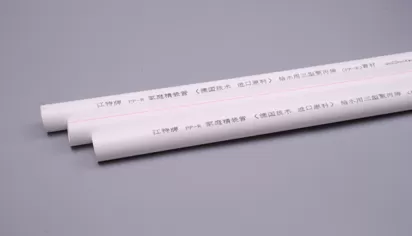
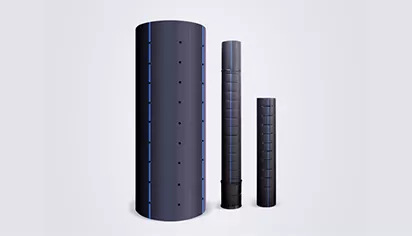
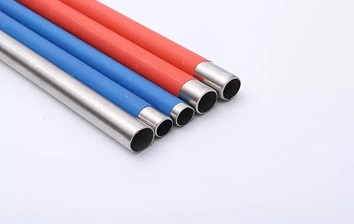
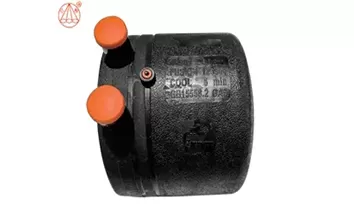
Not every pipe is suitable for a gas line. Selecting the right one is critical to ensuring a safe and effective installation. For those unfamiliar with the process, choosing the proper pipe can seem confusing. However, with some research and guidance from experts, you can make the right decision. For example, JIANGTE offers high-quality gas pipes, including aluminum-plastic composite pipes and PE gas pipes. It's important to note that aluminum pipes are typically used for decorative purposes, while PE gas pipes are ideal for main pipelines.
Step 1: Turn Off Your House's Gas Supply
The first step in installing a gas line is to turn off your gas supply. Head to your gas meter and ensure the valve is completely shut. A quarter-turn of the valve should suffice. Double-check to ensure that the meter isn't moving, which indicates the gas flow has been stopped.
Step 2: Ensure You Have the Right Gas Pipes and Fittings
When purchasing gas pipes, it's not just about choosing a brand—size is equally important. Domestic gas lines typically use pipes ranging from 1.27 cm to 3.81 cm in diameter. However, the specifications may vary depending on local regulations, so it's crucial to consult the guidelines set by your gas company and ensure you select the appropriate pipe size and material for your area.
Step 3: Extend Your Existing Gas Line
Next, extend your current gas line by adding the necessary valves and pipe lengths to reach your new appliance. Apply pipe dope to the threads at the ends of the pipes to ensure an airtight connection. Avoid using tape, as it's not durable and may loosen over time, leading to clogs or leaks.
Step 4: Connect the Gas Line to the Appliance
For the connection, use a flexible pipe to ensure a secure and adaptable fit.
Step 5: Test the Line for Airtightness
Once everything is connected, test for leaks by applying a liquid solution over the seams of your gas line. If bubbles appear, it indicates a leak. Tighten the connection further, but if the leak persists, it's best to disassemble the joint, check the threads, and reapply pipe dope. After making adjustments, retighten the connection. If the leak continues, replace the pipe or fitting to ensure a proper seal.
Step 6: Turn On the Gas Supply
Finally, turn on the gas valve and check if the gas is flowing properly to your appliance.
Installing a gas line requires caution and expertise. If you're inexperienced, it's not advisable to attempt this on your own. Gas-related projects can be hazardous, and without proper knowledge, it's easy to make costly and dangerous mistakes. It's best to hire a professional who is experienced in gas line installation.
Before turning on any appliances, it's essential to perform a pressure test to ensure the system is safe and secure. Pressure testing helps prevent potential explosions. Take your time to ensure everything is correctly sized and tested to avoid costly errors. Safety is paramount when working with gas, so always prioritize professional help and make sure all the necessary checks are completed.
Popular Pipes Related Products at JIANGTE: