-
-

Over the past few decades, the global plumbing and drainage industry has undergone a remarkable transformation. One notable shift has been the decline in the use of Acrylonitrile Butadiene Styrene (ABS) pipes — a material once celebrated for its durability and affordability. Today, ABS pipes are rarely specified in new projects across Europe and North America. But why has this material, long favored by contractors and engineers, fallen out of favor?
This article explores the technical, regulatory, and environmental factors behind the decline of ABS pipes, delving into modern alternatives like PE and PPR systems, which are increasingly aligned with sustainability and performance requirements under modern building codes.
ABS is a type of thermoplastic polymer made by blending acrylonitrile, butadiene, and styrene — giving it high impact resistance, a glossy finish, and a lightweight build ideal for low-pressure plumbing. In its prime, ABS served as the go-to choice for:
Drain, waste, and vent (DWV) pipe installations.
Underground snow-melt systems.
Residential and commercial building connections where corrosion resistance was needed.
Its key advantages included ease of solvent welding (simplifying assembly), chemical resistance, and a lower price point compared with metal pipes. However, as building standards evolved and environmental demands grew, previously overlooked weaknesses of ABS began to surface.
Several countries and municipalities have updated their plumbing codes to discourage or restrict the use of ABS pipe in new construction.
Code Compliance Issues: Organizations such as the International Plumbing Code (IPC) and Uniform Plumbing Code (UPC) have gradually prioritized materials that are not only safe but also have extended service lifespans.
Temperature and Deformation Risks: ABS tends to deform when exposed to prolonged heat or direct UV light; outdoor or attic installations have been especially problematic.
Fire Behavior: ABS produces hazardous fumes when burned, raising health and building safety concerns.
In the European Union, stricter standards such as EN ISO 15874 (for PPR) and EN 12201 (for PE pipes) have emerged, effectively shifting industry specifications toward sustainable polymers and away from legacy plastics. In Germany, energy-efficient and eco-certified construction frameworks (DGNB, EnEV) discourage the use of non-recyclable or high-emission materials like ABS.
Beyond performance, sustainability has become a decisive factor in modern engineering decisions.
ABS is a petroleum-based polymer, and its production involves high energy use and significant carbon emissions. Although ABS can technically be recycled, its actual recycling rate remains below 10% in Europe, largely due to contamination in post-construction waste streams.
Meanwhile, polyethylene (PE) and polypropylene random copolymer (PPR) pipelines have set a new sustainability benchmark. They require less energy to produce, emit fewer carbon compounds, and can be fully recycled at the end of their life cycle. These materials align with the EU's Circular Economy Action Plan and satisfy modern ESG (Environmental, Social, and Governance) objectives for infrastructure projects.
Did you know? Studies by the European Plastics Converters Association (EuPC) estimate that switching from ABS to PE piping can reduce lifetime CO₂ emissions by up to 40% in large-scale installations.
As ABS loses its foothold, new technologies have stepped up to meet evolving standards.
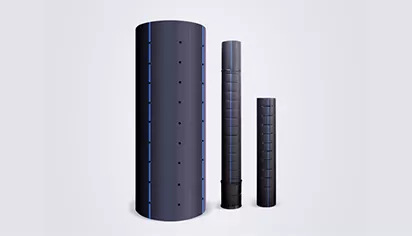
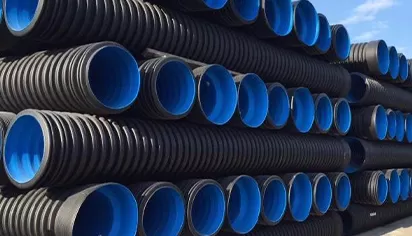
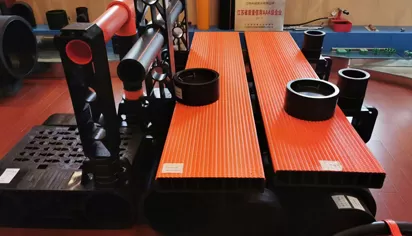
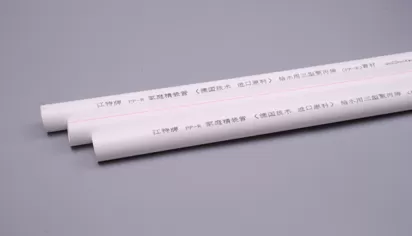
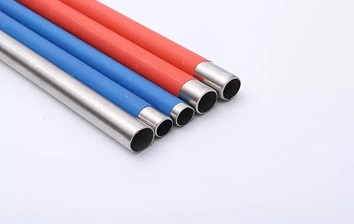
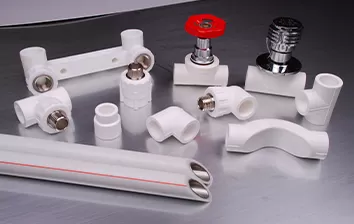
Jiangte — a leading global manufacturer of polymer wholesale PE and wholesale PPR pipes and fittings — offers PE and PPR pipes engineered for both performance and ecological integrity.
Advantages of PE and PPR Pipes:
Superior resistance to impact, corrosion, and pressure deformation.
100% recyclable materials with low embodied energy.
Smooth inner wall design that reduces friction and scaling.
Extended lifespan (over 50 years) under normal conditions.
Safety certification compliant with ISO 9001, EN 12201, and CE standards across Europe.
Jiangte's pipes serve municipal infrastructure, residential construction, and industrial water management systems in regions including Germany, France, the Netherlands, and Eastern Europe — demonstrating a scalable, eco-conscious solution for the modern built environment.
Experts across the construction and materials sciences sectors now agree that the shift from ABS to newer polymers is irreversible. Industry analysis highlights that:
Building codes increasingly reward recyclable and safe materials.
Smart infrastructure projects favor long-lasting polymers integrated with IoT monitoring and leak detection.
ESG reporting standards influence global supply choices — favoring low-emission plastics.
These trends suggest that while ABS may remain in certain legacy installations, its viability as a mainstream piping material has effectively ended. The rise of PE, PPR, and multilayer composite systems (PEX-AL-PEX, PPR-CT) points toward a future where efficiency and sustainability dominate the material selection process.
The gradual phasing out of ABS represents more than a change in materials—it reflects a paradigm shift toward sustainability and smarter manufacturing. Today's infrastructure demands piping systems that perform efficiently while minimizing ecological impact.
Jiangte continues to pioneer this transformation by delivering high-performance PE and PPR piping solutions that meet European regulatory requirements, support global green initiatives, and secure the reliability modern engineering demands.
Q1. Why did plumbers stop using ABS pipe?
Because modern codes and environmental standards classify it as less durable under heat stress and higher emission during production compared with eco-certified alternatives like PE or PPR.
Q2. Is ABS still legal in Europe?
Existing installations may remain in use, but new projects—especially under EU or German energy codes—typically opt for PE or PPR pipes to ensure compliance with green building certifications.
Q3. Which pipe material lasts the longest?
PE and PPR pipes usually outperform both ABS and PVC in service lifespan, with durability records exceeding 50 years under proper installation.