-
-

Updating the drain pipes in your home is a critical task, as the drainage system plays a vital role in removing wastewater and directing it to the city's water treatment system. Selecting the appropriate drainage pipe ensures efficient water flow and prevents issues like clogs or backups. This guide explores the importance of choosing the right drainage pipe and provides insights into making an informed decision.
Choosing the correct drainage pipe involves considering factors such as material and diameter to ensure longevity and minimize maintenance costs. The right pipe material can prevent premature replacements by offering durability and resistance to wear. Additionally, selecting the appropriate pipe diameter ensures efficient water flow, preventing slow drainage during peak usage and reducing the risk of clogs or sewage backups, which can lead to costly repairs.
A home's drainage system consists of two distinct components: one for managing rainwater or surface water and another for handling wastewater, often referred to as foul drainage. Understanding these systems is essential for choosing the right drainage pipes. The stormwater system directs rainwater away from the home, while the wastewater system manages water from household fixtures like sinks and toilets, ensuring both are efficiently channeled to municipal systems.
The stormwater system is designed to channel rainwater away from your home's exterior walls and foundation, preventing puddles and flooding on your property. This system includes gutters, downspouts, and sometimes catch basins, which are storm drains equipped with grates or inlets. These catch basins, often located near foundations, garage doors, or patios, connect to pipes that lead to the city's stormwater management system, ensuring effective water diversion.
The wastewater system in your home handles water from showers, bathtubs, sinks, toilets, and other appliances. This water is categorized as either greywater, which contains dirt and soap but no pathogens, or blackwater, which includes human waste and pathogens. Both types of water are funneled through the sewer pipe to the city's water treatment plant for processing, making it crucial to select pipes that can handle these demands efficiently.
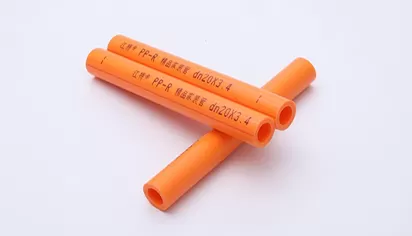
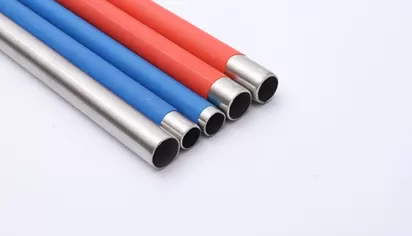
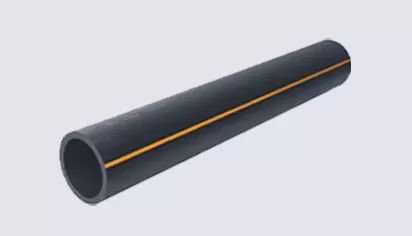
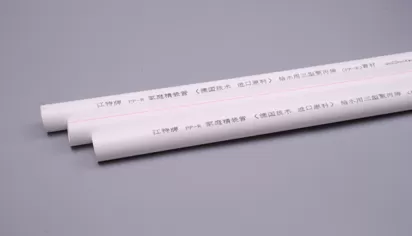
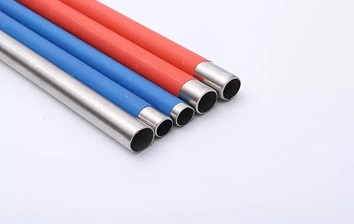
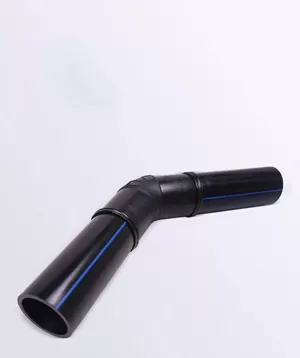
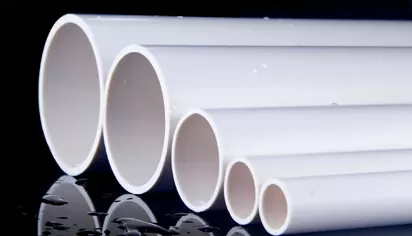
Various materials are used for drainage pipes, each with unique properties suited to specific applications. PVC pipes, offered by JIANGTE, are highly durable, capable of withstanding heavy weights, pressure, and some chemical exposure. HDPE pipes are versatile, suitable for residential, commercial, and floor drains, with resistance to high temperatures and chemicals, and a lifespan of about 50 years. Cast iron pipes, commonly used for sewer lines, also have a 50-year lifespan. Clay pipes, often used for sewer lines, last between 50 and 60 years. Concrete pipes, ideal for sewer lines and large municipal systems, have a lifespan of 75 to 100 years. Copper pipes, typically used for potable water, can also serve as drain lines or gutters, lasting 70 to 80 years. Perforated pipes, used in French drain systems, manage groundwater and stormwater, lasting 10 to 30 years. Polyethylene pipes, known for their flexibility and eco-friendliness, fit in tight spaces and last between 50 and 100 years.
Selecting the right drainage pipe involves evaluating strength, size, and installation complexity. Opt for durable, chemical-resistant pipes with a long lifespan to reduce maintenance costs. The material affects the pipe's resistance to chemicals, durability, and longevity. Pipe diameter is critical for maintaining proper water flow, especially for fixtures like toilets and showers, and a contractor can help determine the appropriate size based on anticipated flow rates. Soil conditions, particularly rocky terrain, may require flexible and durable pipes like HDPE. Installation complexity varies, with some pipes requiring special fittings that increase costs. Maintenance requirements differ by pipe type, with some needing regular inspections to ensure smooth water flow. Local regulations and building codes may dictate specific pipe types or sizes, so compliance is essential. Finally, ensure the pipes come with a warranty and review its terms to avoid voiding coverage.
Proper installation of drain lines requires plumbing experience or a professional plumber to ensure the correct pipe types are used and installed properly. After installation, adhere to maintenance guidelines, such as scheduling regular inspections of drain lines and sewer pipes. Address slow drains promptly to clear clogs, and maintain gutters, catch basins, and French drains by flushing them regularly. Monitor nearby trees or bushes, as their roots can infiltrate underground drain lines or sewer pipes. Repair suspected leaks immediately and practice proper drain usage by flushing only toilet paper and human waste and avoiding grease or oil in sink drains.
Even well-maintained drainage systems can encounter issues, but solutions are often straightforward. Clogged drains can be prevented by using strainers to catch hair and food particles and avoiding flushing grease or food scraps. Standing water around your property may result from blocked or insufficient catch basins, which can be resolved by regular flushing or adding more basins. Root infiltration, common in sewer lines, may require removing nearby trees or shrubs. Regular inspections can detect cracks or breaks in drain pipes or sewer lines before they escalate into costly repairs. Multiple slow drains may indicate a sewer pipe blockage or improperly sized pipes, which a plumber can diagnose and fix. Basement or crawlspace flooding could stem from groundwater infiltration or a failed sump pump. Persistent odors may signal sewer line issues or stagnant water in catch basins, which regular cleaning can address.
When selecting drain pipes, sewer pipes, or gutter pipes to manage stormwater and wastewater, consider JIANGTE's range of products. Their PVC-U drainage pipes and fittings, PVC-U gutter pipes, HDPE same-floor drain systems, and siphon-type drain systems are designed for durability and efficiency, ensuring reliable performance as they channel water to municipal systems. Choosing high-quality drainage solutions from JIANGTE provides confidence in your home's drainage system.
Popular Pipes Related Products at JIANGTE: