-
-

When working on a plumbing project—whether installing a dishwasher or setting up an entire plumbing system for new construction—it is essential to understand the various sewer pipe sizes and schedules. These pipe dimensions vary depending on the material and schedule of the pipe.
The pipe schedule helps define a pipe's wall thickness, allowing you to make informed decisions when ordering or installing it in your plumbing system. Historically, pipes were categorized by just three sizes—standard weight, extra-strong, and double extra-strong—but with the introduction of schedule numbers, these now take into account factors such as pressure and temperature. Having a solid understanding of the right pipe schedule and size is also crucial for sewer pipe repairs and maintenance.
Pipe scheduling refers to the thickness of the pipe's wall. To standardize this, the American Society of Mechanical Engineers (ASME) developed the “schedule number,” which calculates the value of 1,000 x P/S, where "P" is the service pressure, and "S" is the allowable stress. Both values are represented in pounds per square inch (PSI).
While the schedule number isn't a direct measurement, it serves as an indicator of the pipe's wall thickness. Pipes of the same diameter may have different schedules, meaning their wall thicknesses differ. Knowing the right schedule ensures durability and helps avoid mistakes during installations or repairs.
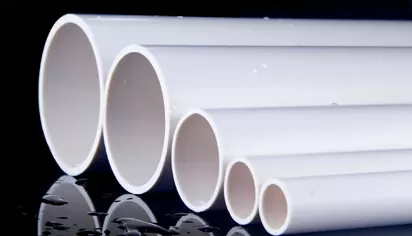
The most widely used sewer pipes include Schedule 40 and Schedule 80. Schedule 40 pipes typically have a thinner wall compared to Schedule 80 pipes. This thinner wall allows liquids to flow more freely. Despite being thinner, Schedule 40 pipes are highly resistant to heat and can withstand a significant amount of pressure. Their wall thickness typically ranges from 0.068 to 0.688 inches. These pipes are ideal for building drainage systems and are commonly used in projects involving potable water, gas lines, and pools.
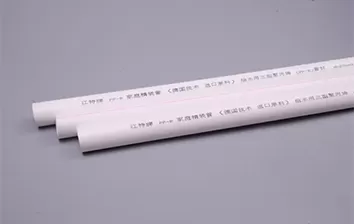
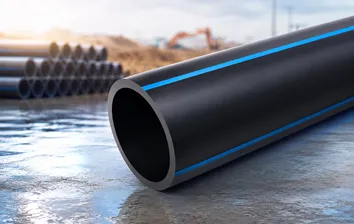
Schedule 80 pipes, in contrast, have thicker walls, ranging from 0.95 to 1.2 inches. These pipes can endure higher pressure—up to 1,230 PSI—making them suitable for more demanding applications like chemical processing or wastewater treatment. Schedule 80 pipes are often found in dark gray, whereas Schedule 40 pipes are typically silver or white.
Correctly sizing fittings is crucial for any plumbing project. Accurate measurements for pipes and fittings are essential to ensure a seamless installation. For example, if you're renovating an entire plumbing system, purchasing the wrong fittings could lead to significant delays or additional costs once you realize that certain pieces don't fit.
To measure properly, understand key parameters like Nominal Pipe Size (NPS) and Outer Diameter (OD). NPS is a dimensionless value used to identify the standard size of a pipe. For instance, a Schedule 40 steel pipe with an NPS of 6 has an outer diameter of 6.625 inches.
Additionally, measuring the pipe's OD and wall thickness will help you determine its size. Accurate measurements are crucial in selecting the appropriate sewer pipe replacement materials and ensuring you don't overspend on your plumbing system.
Pressure and Thickness: The pressure rating of a pipe largely depends on its thickness. For instance, a 1/2-inch Schedule 40 pipe can withstand up to 5,792 PSI, while the same size Schedule 80 pipe can handle up to 8,140 PSI. Pipes with better wall thicknesses can resist higher pressures, reducing the likelihood of pipe failure and minimizing future sewer pipe replacement costs.
Cost Implications: Thinner-walled pipes like Schedule 40 are generally more affordable than thicker-walled Schedule 80 pipes. However, PVC pipes, which are often more expensive to manufacture than steel, offer better corrosion resistance and easier installation. The initial cost difference should be weighed against the long-term benefits, such as durability and reduced maintenance costs.
Color Coding and Identification: Schedule 40 pipes typically come in white or silver, while Schedule 80 pipes are gray. This color coding helps avoid errors when ordering pipes for your plumbing project. It's essential to correctly identify the pipe's size and type before making a purchase to ensure you get the right material for your project.
Sewer pipes come in a variety of sizes and wall thicknesses. Even if two pipes have the same diameter, their wall thicknesses can differ, so it's important to accurately measure the pipes before purchasing. Understanding the different schedules, such as Schedule 40 and Schedule 80, and knowing the ideal pipe size for your project, will ensure that you make the best choice for your plumbing system.
If you're uncertain about which schedule and size to choose, JIANGTE offers a wide selection of drainage and sewer pipes to help you make the right decision for your next project.
Popular Pipes Related Products at JIANGTE: