-
-

Electrical conduits play a crucial role in modern infrastructure, ensuring that electrical power travels safely through concealed pathways. It's essential to bury these conduits properly to protect both the electrical system and those who interact with it. This guide will walk you through the depths required for burying electrical conduits, helping you understand the best practices for installation.
Electrical conduits are primarily categorized into metal and non-metal types, each with various subcategories. Below are some of the common metal electrical conduits:
Rigid Metal Conduit (RMC): Rigid metal conduit is typically made of galvanized steel and features threaded fittings. It is incredibly strong, but the high cost of materials and installation makes it an expensive choice. Aluminum is sometimes used for these conduits, though it usually requires an additional coating for improved corrosion resistance.
Galvanized Rigid Steel: This type of conduit is durable and offers excellent UV stability and impact resistance, making it suitable for both indoor and outdoor use. Due to its weight, it is challenging to install, but it is highly resistant to environmental factors.
Intermediate Metal Conduit (IMC): Slightly lighter than rigid metal conduit, IMC is mainly used for outdoor applications. It is more affordable and can be coated for additional protection. Although IMC offers greater wire capacity, it is more vulnerable to physical damage.
Electrical Metallic Tubing (EMT): EMT has thin walls and is not threaded, making it less durable compared to other metal conduits. Made from coated steel, EMT is commonly used in industrial and commercial applications where cost-effectiveness is important.
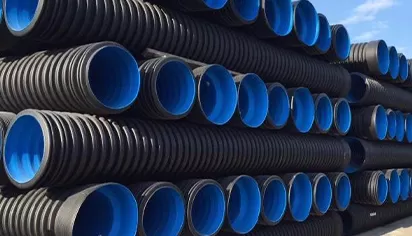
PVC Conduit: PVC conduit is widely used for underground installations due to its lightweight and corrosion-resistant nature. It comes in a variety of thicknesses and is often used in electrical installations where UV stability is not a major concern. PVC should be protected from direct sunlight and installed in cooler environments to prevent deformation.
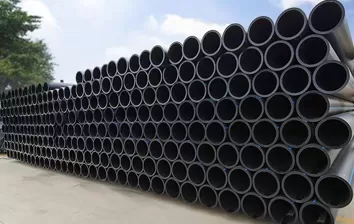
The PVC-C underground power cable duct is a flexible option used primarily in municipal work. It offers resistance to high temperatures and chemical exposure, making it suitable for various outdoor applications.
The depth at which electrical conduits should be buried depends on the type of conduit, installation environment, and local regulations. Below are the general depth guidelines based on the National Electrical Code (NEC):
Rigid Metal Conduit (RMC) and Intermediate Metal Conduit (IMC): Both of these types offer robust protection against physical damage. The NEC mandates a minimum cover depth of 6 inches for residential installations and 18 inches for non-residential installations when buried directly in the ground.
Electrical Metallic Tubing (EMT): Due to its thinner walls, EMT is not typically recommended for direct burial. If local codes allow it, the NEC requires a minimum burial depth of 18 inches for both residential and non-residential applications.
Flexible Metal Conduit (FMC) and Liquid-Tight Flexible Metal Conduit (LFMC): These conduits are not designed for direct burial. They should be encased in concrete or installed within another protective system for added security.
PVC Electrical Conduit: PVC conduits are commonly used underground because they are resistant to corrosion and moisture. For residential installations, the NEC recommends a minimum cover depth of 18 inches, while non-residential installations should be buried at least 24 inches deep.
Keep in mind that these guidelines are based on the NEC and may vary based on your location. Always check your local codes and any specific requirements from your utility company before proceeding with the installation.
Additionally, if your conduit is installed under a road, driveway, or areas exposed to vehicle traffic, the required burial depth may need to be greater to protect the conduit from damage.
Electrical conduits are essential for safeguarding electrical wiring and ensuring the longevity and reliability of your electrical system. Here are some common situations where electrical conduits should be used:
When Running Electrical Wiring Through Ceilings or Walls: Electrical conduits are crucial when wiring through walls or ceilings, as they protect cables from physical damage and keep them safely separated from insulation materials. This separation helps reduce the risk of electrical fires and makes maintenance easier.
When Running Electrical Wiring Outdoors: Outdoor wiring is exposed to various environmental factors such as weather and temperature changes. Conduits protect wires from these elements and reduce the risk of damage caused by accidental impact, pests, or vandalism.
When Running Electrical Wiring in Damp or Wet Areas: In areas prone to moisture, such as basements or kitchens, conduits provide an extra layer of protection against water damage. PVC conduits, for instance, are commonly used in such environments to prevent moisture from entering and affecting the wiring.
When Running Electrical Wiring Through Hazardous Areas: Conduits are necessary when wiring through potentially dangerous environments, such as places with flammable gases or vapors. Explosion-proof or sealed conduit systems are required to maintain safety and prevent ignition in these sensitive areas.
Electrical conduits serve several vital functions in electrical installations:
Protection: Conduits shield electrical cables from physical damage, moisture, and environmental threats like pests and chemicals, ensuring the integrity of the system.
Organization: By organizing and separating cables, conduits prevent entanglement and simplify maintenance, making it easier to manage the electrical system.
Safety: Conduits enclose electrical wiring, reducing the risk of electrical shock or fire hazards by preventing direct contact with live wires.
When installing electrical conduits, it's important to avoid several common mistakes that could compromise the system's integrity and safety:
Incorrect Burial Depth: Failing to bury conduits at the correct depth can expose them to physical damage and violate local codes. Always adhere to the recommended depths based on the type of conduit and consult local regulations.
Inadequate Conduit Support: Proper support is necessary to prevent sagging or collapsing of the conduit during installation. Ensure that conduits are adequately supported to maintain their durability.
Ignoring Expansion and Contraction: Conduits can expand and contract due to temperature changes. Use expansion joints or flexible connections to accommodate this movement and prevent damage.
Improper Sealing: In damp or wet areas, it's essential to properly seal the conduit to prevent water ingress. Use suitable fittings, gaskets, or sealants to ensure the conduit remains watertight.
Popular Pipes Related Products at JIANGTE: