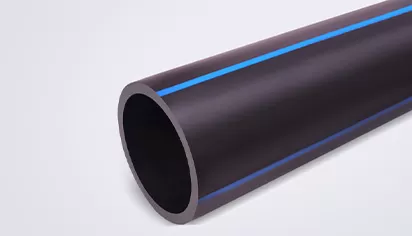
Size: SDR 17 DN400mm
Read More
-
-

Plumbing plays a critical role in construction projects. To ensure a long-lasting and functional plumbing system, choosing the right water pipes and fittings is essential. There are various materials and types of fittings to consider depending on your needs and environment.
When planning a plumbing system, selecting fittings is just as important as choosing pipes. However, many people are unfamiliar with the different types of fittings. This article will help you understand the different types of water pipe fittings and guide you in making the best choice for your plumbing system.
Pipe fittings are components used to connect and shape plumbing systems. They are available in various forms such as elbows, couplings, tees, and reducers. These fittings help join sections of water pipes and regulate water flow. Pipe fittings can be made of plastic or metal, with plastic fittings like PVC being widely used in both residential and commercial plumbing due to their durability and cost-effectiveness.
Plumbing systems consist of pipes that transport water and fittings that control the flow. Pipes are typically straight, but fittings come in various forms, which can be challenging to identify for an average homeowner. Here are some common types of plumbing fittings and their functions:
Elbows: These are used to change the direction of water flow. Elbows typically come in 45° or 90° angles and are available as sweated or threaded versions. Steel elbows often have male and female threads for easy connection to other pipes or fittings. Some elbows also feature side outlets, allowing them to function like tees.
Tees: A tee is a fitting used when multiple branches are needed. It is a long coupling with a side outlet placed at a 90° angle to the inlet. The sizing of tees is based on their run and side outlet.
Couplings: Couplings are used to extend the length of pipes or adjust their size. A reducing coupling, also known as a bell reducer, allows for a change in pipe diameter. Couplings can be threaded or unthreaded. Unthreaded couplings are ideal for solvent welding or soldering.
Unions: Unions serve as alternatives to couplings when they are impractical or inconvenient. They come with nuts that help create a seal between the pipe ends, making them ideal for connections that need to be disassembled for future repairs. However, unions are not suitable for use with LP or natural gas.
Caps and Plugs: Caps are used to close the ends of pipes, while plugs fit into fittings to cap off the pipes. Both can be threaded, soldered, or glued, depending on the material.
Adapters: Adapters help extend pipes or change the connection type at the pipe's end. They allow for easy connections between different types of pipes without complicated setups. Adapters are available in various materials, such as copper, PVC, brass, and stainless steel.
Pipe fittings come in different shapes and materials, and choosing the right one depends on the environment and the specific function needed. To make an informed decision, you need to consider several factors.
The type of pipe you are using determines the fitting you need. For instance, copper pipes require copper fittings, and CPVC pipes need CPVC fittings. Ensure that the fittings you choose are compatible with the fluid running through your system.
Pipe sizing is done in two main ways: by inner diameter (ID) or outer diameter (OD). ID sizing is used for Copper Tube Size (CTS), and OD sizing is common for smaller diameters like ¼, 3/8, or ½ inch.
Nominal Pipe Size: This refers to the internal diameter of the pipe, which is crucial when determining the flow rate for your system. Fittings are generally larger than the pipe's inner diameter since they connect on the outside of the pipe.
For example, if you're working with a half-inch OD pipe, ensure that you choose fittings that match the OD measurement. CTS fittings are compatible with CTS pipes, and OD fittings fit OD tubing.
CTS fittings are commonly used for larger pipe sizes, such as ½ and ¾ inches, which are typical for household plumbing. For smaller applications, like water filters or ice makers, OD fittings are more appropriate.
Yes, pipe fittings can be reused, but they must be properly unscrewed and reattached. Ensure that the correct sealant is used when reassembling, especially for water heater connections, to ensure a secure and leak-free seal.
With this information, you now have a better understanding of water pipe fittings and their uses. If you're looking for high-quality and reliable fittings for your plumbing system, JIANGTE offers durable and efficient solutions for all your plumbing needs.
Popular Pipes Related Products at JIANGTE:
Wholesale PPR Plumbing Fittings
China Dual Wall Corrugated Pipe
Polybutylene Pipe Shut Off Valve
Electrofusion Fittings Suppliers