-
-

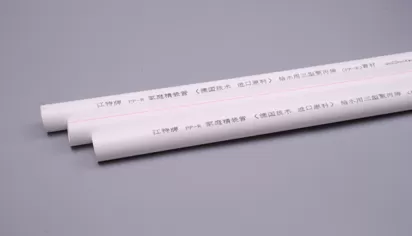
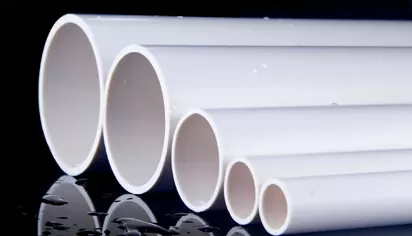
PVC, or polyvinyl chloride, is the third most commonly used synthetic polymer in the world, with annual global production reaching 40 million tons. Its primary function is as a conduit for water in various applications, making it an essential material in numerous infrastructure projects.
What makes PVC so desirable is its raw material, polyvinyl chloride, which possesses a range of beneficial physical and chemical properties. These qualities make it an ideal choice for creating cost-effective and safe channels for transporting water, among other uses.
PVC stands for polyvinyl chloride, a type of chlorinated hydrocarbon polymer. In its natural state, PVC is rigid and brittle, but when mixed with additives like plasticizers, it becomes more flexible and durable.
PVC is widely used across various sectors, including electrical insulation, medical tubing, flooring, furniture, and signage. However, its most prevalent application is in pipe manufacturing, particularly for water supply, plumbing, and irrigation systems.
There are different variants of PVC pipes designed for specific uses, such as hot or cold water conduits in both industrial and commercial contexts. PVC pipes have been in use for over 80 years, with more than two million miles of PVC pipelines currently operational in the United States alone.
PVC pipes are essential in water supply systems, with water mains almost entirely composed of PVC piping. These pipes are also a critical part of sanitation sewer networks and large-scale irrigation systems.
In residential and commercial applications, PVC pipes are used for plumbing, drainage, agricultural irrigation, electrical and telecommunications systems, and heating and cooling ductwork.
For underground applications, PVC pipes are designed with larger diameters and thicker walls to meet the needs of utility companies supplying drinking water to homes and businesses.
In addition to water delivery, underground PVC pipes are used in sewage systems, rainwater drainage from roofs, and even fire sprinkler systems in buildings.
When it comes to heating, ventilation, and cooling (HVAC) systems, CPVC, a variation of PVC, is used for transporting hot water, while PVC pipes handle the cold water.
PVC water supply pipes are particularly beneficial in agriculture, offering a more efficient irrigation system that saves between 30-50% of water compared to open-channel methods. The system also prevents soil salinization, flooding, and excessive cold water runoff. Furthermore, PVC pipe networks can be buried underground, maximizing land use and offering easy maintenance with high irrigation efficiency.
PVC pipe fittings, such as bends, branches, valves, and clips, are versatile components used in a wide variety of pipelines and construction projects. They can also be used to upgrade aging pipeline systems, reinforcing joints and avoiding the need for a complete system overhaul.
PVC pipes are preferred for water and electricity transportation across multiple sectors due to their high resistance to heat and corrosion. Their smooth inner surface results in less friction for flowing liquids compared to metal or concrete, making PVC a preferred material for water supply systems.
The lightweight nature of PVC makes it easy to transport, reducing fuel consumption during transportation, and therefore, it is more environmentally friendly. Additionally, the simple manufacturing process makes PVC cost-effective.
PVC is highly versatile and can be molded into various shapes, which makes it adaptable for a wide range of applications. It is also strong, durable, and resistant to significant stress, making it an ideal material for underground piping and systems carrying pressurized fluids.
Another key advantage of PVC is its chemical inertness. It does not react with most substances, which makes it safe for transporting drinking water and water used for household purposes.
PVC pipes have an impressive lifespan of up to 100 years when installed underground, making them low-maintenance and a better option than older materials like steel, iron, and cement, which are costly to maintain and replace.
Installing, dismantling, and maintaining PVC pipes is straightforward, with failure rates significantly lower than traditional materials. The low carbon content of PVC also leads to fewer harmful emissions during its production. PVC is also highly recyclable, with around 8,000 tons recycled annually in Europe through the VinylPlus program.
While PVC is durable and versatile in its original form, it is rigid and brittle. The addition of plasticizers softens the material, while heat stabilizers enhance its temperature resistance. UV stabilizers protect it from prolonged exposure to sunlight.
CPVC is a modified version of PVC with a higher chlorine content, giving it better resistance to higher temperatures. CPVC can withstand temperatures up to 200°F, while standard PVC can only handle up to 140°F before it starts to deform. This makes CPVC ideal for transporting hot water, particularly in HVAC systems and industrial applications.
uPVC, or unplasticized PVC, is PVC in its pure, unaltered form. It remains rigid and brittle, which makes it unsuitable for flexible applications like piping. However, it is widely used in construction as it is resistant to prolonged exposure to sunlight and heat, often being used for weatherboarding and exterior siding.
Popular Pipes Related Products at JIANGTE: