-
-

Reliable HDPE pipe welding is essential for creating continuous polyethylene piping systems used in water supply, irrigation, mining, industrial fluid transport and other infrastructure applications. Unlike mechanical connections, heat-fusion methods join compatible polyethylene surfaces by heating them to a controlled condition and bringing them together under specified procedures.
The two commonly used fusion approaches are butt fusion and electrofusion. Choosing between them depends on pipe diameter, installation space, fittings, equipment availability, repair requirements and project specifications.
Jiangte PE Pipe supplies HDPE piping solutions for different infrastructure and industrial projects, supporting customers with pipe specifications suitable for various installation and joining requirements.
HDPE pipe welding refers to heat-fusion joining methods that create a continuous connection between compatible polyethylene pipes or fittings.
Several HDPE joining methods are available, but butt fusion and electrofusion are among the most widely used for pressure-pipe installations. Both rely on controlled heating, although their equipment and joining procedures differ.
| Factor | Butt Fusion | Electrofusion |
|---|---|---|
| Basic principle | Heated pipe ends fused together | Electrically heated fitting joins pipe |
| Additional fitting | Usually not required for straight pipe joints | Electrofusion fitting required |
| Installation space | Fusion machine needs working space | Useful where access is restricted |
| Common use | Long pipeline runs | Connections, repairs and restricted spaces |
| Key controls | Temperature, pressure, alignment, time | Surface preparation, alignment, fusion parameters |
Neither method is automatically better. The appropriate process should follow pipe specifications, fitting requirements and the applicable installation standard.
Butt fusion pipe welding joins two compatible HDPE pipe ends by heating prepared surfaces and pressing them together under controlled conditions.
The process normally involves:
Alignment and clamping: Pipe ends are secured in a fusion machine so they remain properly aligned.
Facing: The ends are machined to create clean, parallel surfaces for joining.
Heating: A controlled heater plate brings the pipe ends to the required fusion condition.
Fusion and cooling: The heated ends are joined under specified pressure and held without disturbance during cooling.
Proper temperature, heating time, fusion pressure and cooling time depend on pipe dimensions, equipment, material and the applicable fusion procedure.
For long pipeline installations, HDPE fusion welding by butt fusion can create joints without adding separate couplings between straight pipe sections. Joint quality, however, depends heavily on correct preparation and trained operation.
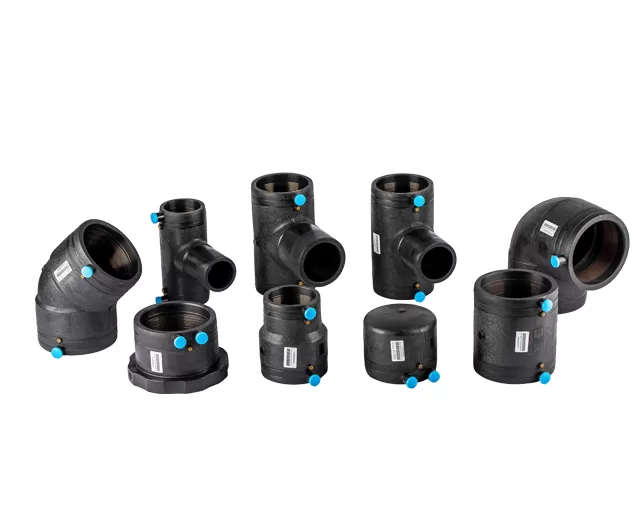
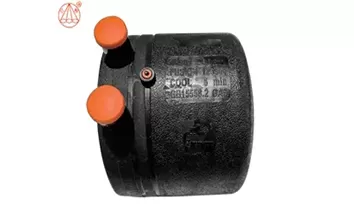
Electrofusion HDPE joining uses fittings containing embedded electrical heating elements to fuse the fitting and prepared pipe surfaces together.
Before installation, the pipe ends must be properly prepared according to the fitting manufacturer's instructions. The joining surfaces are typically cleaned and the oxidized outer surface is removed using the specified preparation method. The pipe and fitting are then correctly positioned and restrained.
An electrofusion control unit supplies electrical energy according to the fitting requirements. The embedded element generates heat, causing the mating polyethylene surfaces to fuse. After the programmed fusion cycle, the joint must remain undisturbed for the specified cooling period.
Electrofusion is particularly useful when installation space makes conventional butt-fusion equipment difficult to position. It can also be practical for branch connections, repairs and certain fitting installations.
Because the joint depends on prepared surfaces and accurate positioning, contamination, poor scraping or pipe movement during fusion can affect final quality.
A correctly executed HDPE fusion connection can create a durable, leak-resistant joint that becomes an integrated part of the polyethylene piping system.
Key advantages include:
Continuous pipeline: Fusion creates direct polyethylene-to-polyethylene connections without relying solely on mechanical sealing components.
Corrosion resistance: The fused connection retains the corrosion-resistant characteristics associated with HDPE material.
Application flexibility: Fusion methods can support straight pipe connections, fittings, branches and repairs depending on the selected process.
Long-term reliability: Properly prepared and completed joints can provide dependable performance under the designed operating conditions.
These benefits depend on correct material compatibility and installation. A poorly executed fusion joint can become a weak point regardless of the quality of the pipe itself.
The correct HDPE pipe welding method should be selected according to pipe size, joint configuration, site access, project requirements and available fusion equipment.
Butt fusion is often practical for long runs where pipes of compatible dimensions can be aligned in fusion equipment. Electrofusion can provide greater flexibility in restricted spaces or when installing specialized fittings.
Project teams should also consider pipe material compatibility, operator training, ambient conditions and inspection requirements. Welding parameters should follow recognized procedures and the recommendations applicable to the pipe, fitting and fusion equipment being used.
For B2B buyers, pipe procurement and installation planning should therefore be coordinated. Confirming diameter, SDR, material grade, fittings and intended joining method before ordering can help avoid compatibility problems on site.
Jiangte PE Pipe supports infrastructure and industrial projects requiring HDPE pipes and related piping solutions for different installation conditions.
Project buyers should provide pipe diameter, SDR or wall thickness, material grade, pressure requirements, applicable standards, quantities and intended application when requesting a quotation. The proposed HDPE pipe welding method should also be considered when planning fittings and installation.
Clear project specifications make it easier to coordinate pipe supply with downstream joining requirements and reduce unnecessary changes during construction.
Successful HDPE pipe welding depends on selecting an appropriate fusion method and carefully controlling preparation, heating, alignment and cooling. Butt fusion is commonly suited to continuous pipeline construction, while electrofusion provides useful flexibility for fittings, repairs and locations with limited access.
Regardless of the selected method, installers should follow the applicable fusion procedure and equipment requirements. Jiangte PE Pipe supports customers sourcing HDPE piping solutions for water, industrial and infrastructure projects with different installation requirements.
HDPE pipe welding uses controlled heat to fuse compatible polyethylene pipe or fitting surfaces into a continuous joint.
Butt fusion is widely used for joining straight sections of compatible HDPE pipe, while electrofusion is common for fittings, repairs and restricted-access installations.
Butt fusion directly heats and joins pipe ends, while electrofusion uses a fitting with embedded electrical heating elements.
Yes. The process uses purpose-designed electrofusion fittings and compatible control equipment.
The joint must remain properly restrained while the fused polyethylene cools and develops sufficient integrity.
Consider pipe dimensions, material compatibility, joint type, site access, equipment, project specifications and the applicable fusion procedure.