-
-

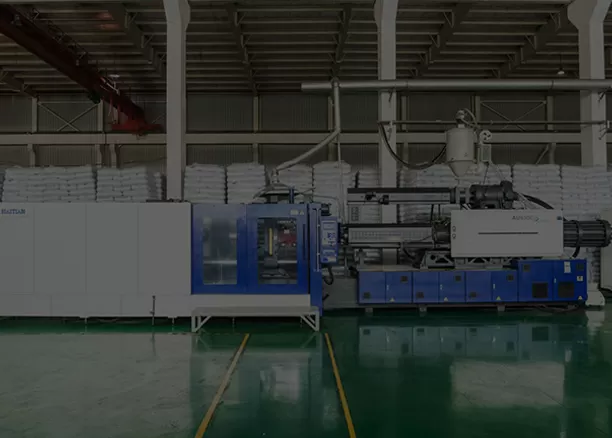
Jiangte offers high-quality polybutylene pipe shut off valves and polyethylene valves designed for durability and efficiency. Our pipe valves, crafted with PE80 and PE100 level materials, utilize advanced domestic technology, including automated injection molding and precision four-axis CNC machining for production. With a nominal outside diameter of ≤315mm, these pipe shut off valves operate effectively within a temperature range of -20°C to 40°C. They ensure excellent stability, uniform plasticization of polymer materials, and minimal residual stress in the polybutylene valve. Certified by the State Administration of Market Supervision and Administration, Jiangte holds a special equipment production license, making us a trusted valve manufacturer for sale.
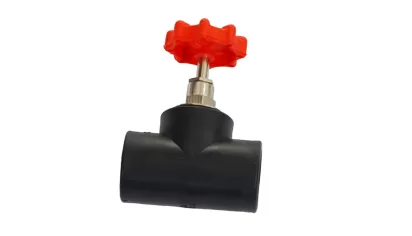
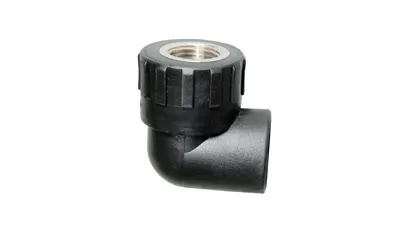
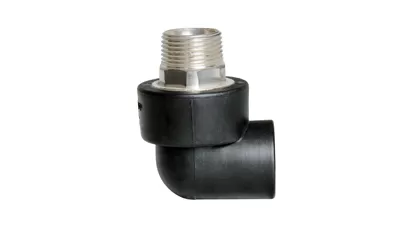
Pipe shut-off valves, though often overlooked, are indispensable components of any home's plumbing system, providing critical benefits for safety, control, conservation, and regulatory compliance. These polybutylene valves allow homeowners to quickly halt water flow during emergencies, such as pipe ruptures, preventing catastrophic flooding and water damage. Beyond emergencies, pipe shut off valves offer precise control over the plumbing system, enabling mess-free repairs or replacements of fixtures like faucets or toilets and simplifying remodeling projects. They also promote water conservation by allowing the isolation of unused rooms or appliances, reducing preventable waste from leaks. Additionally, many plumbing codes mandate polybutylene valve on off mechanisms at key points to ensure easy regulation and maintenance while protecting against contamination. When properly installed and maintained, these pipe on off valves provide ultimate command over a home’s water supply, making them invaluable assets for safety, efficiency, and compliance in every household.
Pipe stop valves, such as polybutylene pipe shut off valves, are vital for controlling water flow and preventing plumbing disasters. This section discusses their benefits, including enhanced safety by allowing quick pipe shut off during emergencies, improved control for repairs or renovations, and water conservation by isolating unused fixtures. It also highlights their role in meeting plumbing codes, which often mandate polybutylene valves at key points like main supply lines, water heaters, and appliances. By installing high-quality polybutylene shut off valves, homeowners gain peace of mind, reduce water waste, and simplify maintenance tasks. The article concludes that these pipe stop valves are a cost-effective investment, offering long-term protection against leaks and flooding while ensuring compliance with regulations, making them essential for any modern plumbing system.
Selecting the right polybutylene valve is critical for effective plumbing system management. This guide explores key factors like pipe size compatibility, connection types (threaded or push-fit), and valve construction materials such as brass or stainless steel for durability. It highlights the importance of matching polyethylene valves to your plumbing needs, ensuring operational ease with lever-style handles, and verifying flow capacity for high-pressure systems. By choosing high-quality polybutylene pipe shut off valves, homeowners can prevent leaks, simplify maintenance, and ensure long-term reliability. The guide also covers common applications, from main water supply lines to fixtures and appliances, emphasizing the role of these pipe valve on and off mechanisms in safety and conservation. Investing in the right valve from a reputable valve manufacturer for sale enhances plumbing efficiency, reduces water waste, and ensures compliance with local codes, making it an essential step for any homeowner aiming to protect their property.

Conduct routine inspections to identify signs of wear, corrosion, or damage in pipe shut off valves. Regularly clean the pipe valve on and off to remove debris or buildup that could affect performance. This proactive approach helps detect issues early, ensuring pipe stop valves operate efficiently and last longer.

Apply suitable lubricants to the moving parts of pipe valves, such as the stem and seals, to minimize friction and wear. Regular lubrication ensures smooth operation of the pipe valve on off, prevents sticking, and enhances the longevity and performance of polybutylene shut off valves.
Periodically check and tighten loose bolts, nuts, or connections to prevent leaks in pipe on off valves. Adjust valve settings as needed to maintain optimal performance. Proper tightening ensures the integrity and functionality of polyethylene pipe valves.
Promptly replace worn or damaged components, such as seals, gaskets, or O-rings, in pipe shut off valves to prevent leaks and ensure proper operation. Using high-quality replacement parts and adhering to manufacturer guidelines significantly extends the life of polybutylene pipe shut off valves and improves system reliability.
The main types of polybutylene pipe shut off valves include gate valves, ball valves, globe valves, check valves, butterfly valves, and pressure relief valves. Each type serves a specific function and is suitable for different applications within plumbing and industrial systems.
Selecting the appropriate pipe stop valve depends on factors like fluid type, pressure, temperature, flow control needs, and the specific application. Consulting with a plumbing or engineering professional can help you choose the best pipe valve on off for your system.
Pipe valves on and off are made from materials such as brass, stainless steel, cast iron, PVC, and PPR. The material choice for polybutylene shut off valves depends on the application, fluid type, and environmental conditions to ensure durability and compatibility.
Pipe shut off valves should be inspected at least annually, though frequency may vary based on valve type, application, and operating conditions. High-stress environments may require more frequent checks to maintain optimal performance and safety of pipe on off valves.
Common signs of failure in polyethylene pipe valves include leaks, unusual noises, difficulty in operation, reduced flow rate, and visible corrosion or damage. Regular maintenance of pipe valves can prevent system failures and costly repairs.
Many polybutylene pipe shut off valves can be repaired by replacing worn components like seals, gaskets, or O-rings. However, if the valve body is severely damaged or corroded, replacing the pipe stop valve may be necessary to ensure reliable operation.