-
-

As one of the leading electrofusion fittings suppliers, we provide electrofusion fittings which are plastic (polyethylene) pipe fittings that can be connected by melting at the temperature generated by an electric current. Compared with hot melt fittings, electrofusion HDPE pipe fittings by Jiangte electrofusion fittings manufacturer have complex production technology, high cost and higher selling price, but have the advantages of good stability and no interference from the external environment.
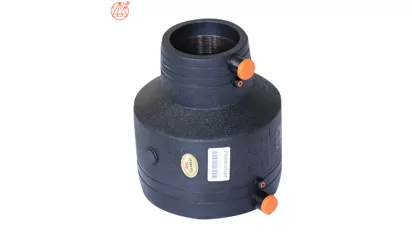
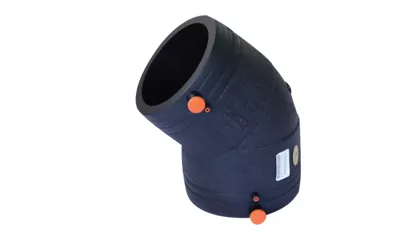
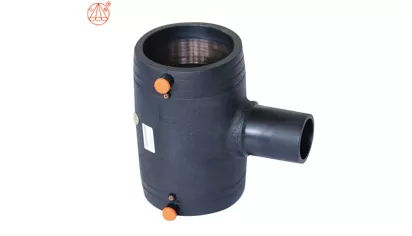
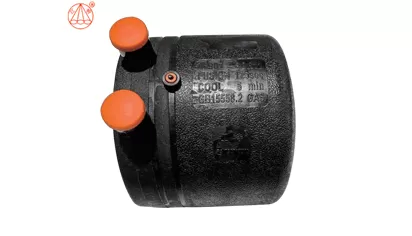
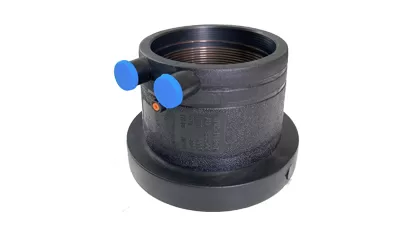
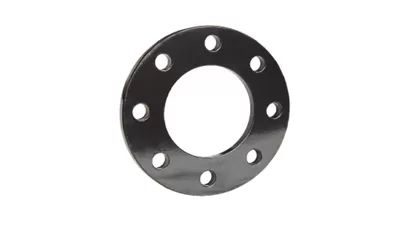
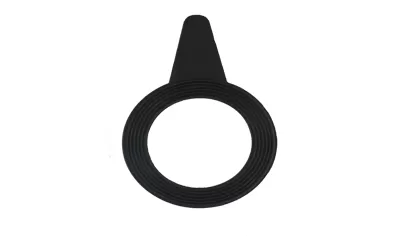
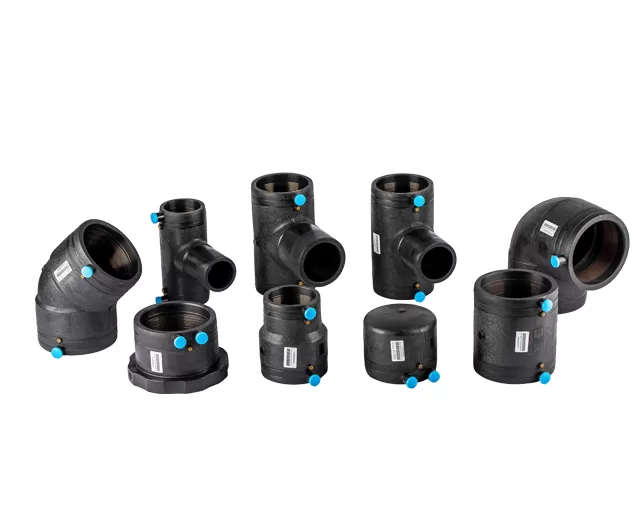
Electrofusion fittings, such as electrofusion couplings, electrofusion elbows, and electrofusion equal tees, are vital components in polypropylene electrofusion fittings systems, designed for transporting gas, water, and pressurized fluids. Their reliability and safety make electrofusion HDPE pipe fittings a preferred choice for various industrial and civil applications. Available in multiple forms like electrofusion end caps, electrofusion flange adaptors, and electrofusion reducing tees, these fittings are manufactured from high-density polyethylene (HDPE) to meet specific requirements. They come in different diameters and pressure ratings, allowing versatility to suit diverse purposes, from water supply to gas distribution, ensuring robust performance across residential, commercial, and industrial settings with HDPE electrofusion fittings.
The electrofusion welding process is a cornerstone of creating reliable joints in electrofusion piping systems, particularly for HDPE electro fusion fittings. It involves a fitting electrofusion equipped with an embedded copper coil, which is essential for forming a strong, durable joint. The HDPE electrofusion fitting includes an internal stop for precise pipe insertion and pins for connecting to a welding machine. When electrical current flows through the copper coil, it generates heat, melting the inner polyethylene of the electro fusion fittings and the outer surface of the pipe. This process creates welding pressure, causing the molten polyethylene to expand and co-penetrate, forming a robust joint upon cooling. Fusion indicators on the electrofusion HDPE fittings surface provide visual confirmation of energy application, though they do not guarantee weld quality. Trusted electrofusion fittings manufacturers ensure these components meet stringent standards, making them ideal for applications like electrofusion couplings and HDPE electrofusion elbows in water and gas distribution systems.
Electrofusion fittings manufacturers equip EF fittings with advanced technical features to enhance welding accuracy and efficiency. Essential welding parameters, such as melting and cooling times, raw material, SDR, and diameter, are permanently molded onto the surface of HDPE fusion fittings. Additionally, each fitting HDPE electrofusion includes a barcode containing production and welding data, which modern welding machines with barcode scanners can read to automatically set correct parameters. This automation minimizes human error, ensuring consistent and reliable welds, making HDPE electrofusion fittings highly efficient solutions for modern electrofusion pipe fittings systems.

Electrofusion fittings create strong, seamless joints that significantly reduce the risk of leaks. The fusion process ensures a homogenous bond between pipes and fittings, providing a reliable and long-lasting connection that is less prone to failure compared to traditional mechanical joints.

The installation process for electrofusion fittings is straightforward and requires minimal specialized training. These HDPE fusion fittings come with built-in heating elements, simplifying the fusion process and reducing installation time. This efficiency translates to lower labor costs and quicker project completion.
Made from high-density polyethylene (HDPE), electrofusion fittings are highly resistant to corrosion, chemical damage, and environmental stress. These durability of HDPE pipe electrofusion fittings ensure a longer lifespan for plumbing systems, reducing the need for frequent repairs and replacements, and providing a cost-effective solution over time.

Electrofusion fittings are compatible with a wide range of pipe materials and sizes, making them suitable for various applications, including water supply, gas distribution, and industrial piping systems. Their versatility allows for easy integration into existing systems, enhancing overall plumbing infrastructure.
PE electrofusion fittings are specialized components used to join polyethylene (PE) pipes through a process that involves applying an electric current to a built-in heating element, which melts the material and fuses the pipes together, creating a strong, leak-proof joint.
Electrofusion fittings are primarily designed for use with polyethylene (PE) pipes, including high-density hdpe pipe electrofusion fittings (HDPE) and medium-density polyethylene (MDPE) pipes.
Advantages include a strong and reliable joint, minimal risk of leaks, ease of installation in confined spaces, and the ability to join pipes without the need for additional mechanical fittings or adhesives.
The electrofusion process requires an electrofusion control unit (ECU) to supply the electric current, a pipe scraper to prepare the pipe surfaces, alignment clamps to hold the pipes and fittings in place, and a barcode scanner to input the fitting parameters into the ECU.
To ensure a successful joint, follow these steps: clean and scrape the pipe surfaces to remove oxidation, align the pipes and fittings properly, use the correct parameters for the fitting, and allow the joint to cool completely before handling. Always follow the manufacturer’s instructions and guidelines.
Electrofusion fittings are suitable for a wide range of applications, including gas and water distribution, industrial piping systems, and sewage systems. However, they may not be suitable for high-temperature or high-pressure applications beyond the specified limits of the fittings and pipes. Always consult the manufacturer’s specifications for suitability.