Underground Gas Pipe HDPE PE100 Pipe Specifications
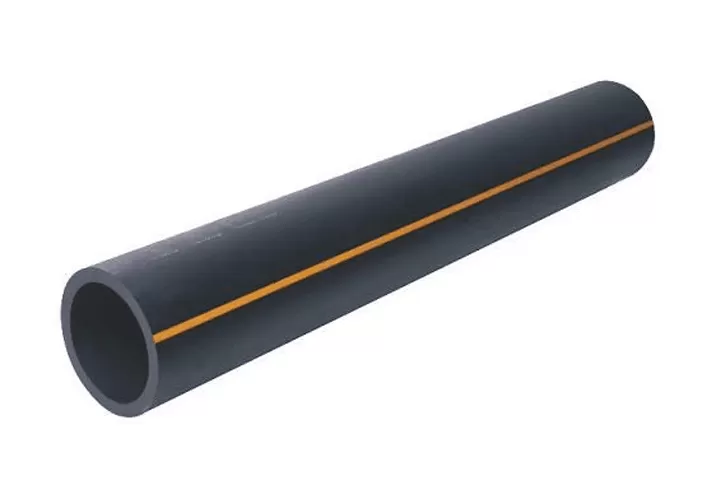
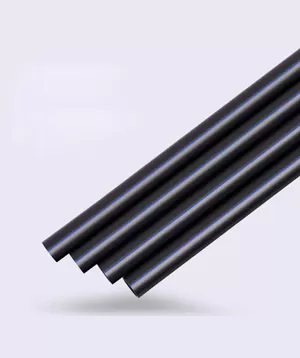
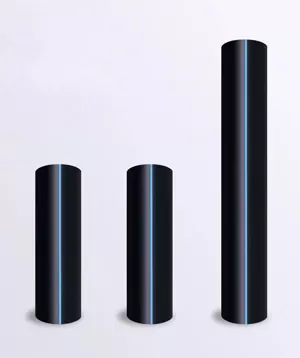
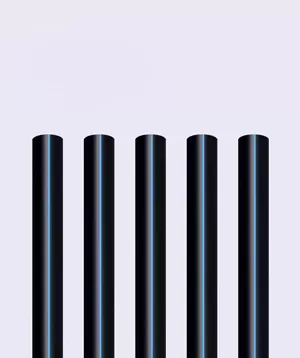
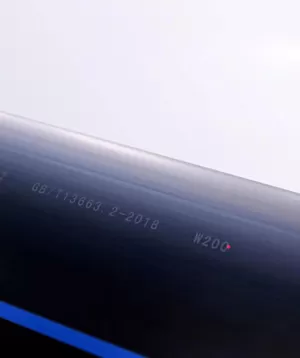
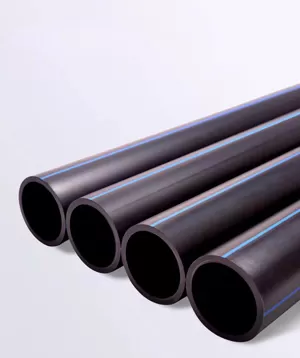
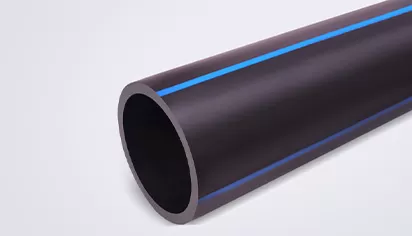
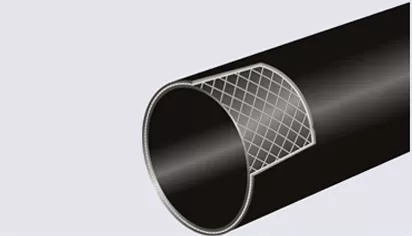
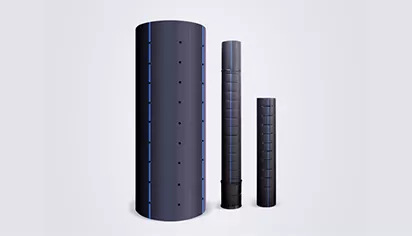
JIANGTE's polyethylene gas pipes, specifically HDPE PE100 variants, are designed with precise specifications for underground gas piping, categorized by nominal wall thickness (mm), pressure strength (SDR), and nominal outside diameter (dn) to meet diverse customer needs.
In addition to standard sizes, JIANGTE offers customization for special sizes and personalized logos. For detailed HDPE PE100 pipe specifications or product requirements, feel free to contact us for tailored solutions.
Advantages of Polyethylene Gas Pipes
Polyethylene plastic pipe wholesale gas pipes, particularly HDPE PE100, have transformed underground gas polyethylene PE piping with their superior properties, ensuring safe and efficient fuel transport. These poly gas pipes offer high impact resistance, flexibility to adapt to terrain variations, and immunity to rust or chemical degradation, surpassing traditional metal alternatives. Key specifications, including pressure ratings, wall thickness, and material density, align with PE100 pipe specifications and are detailed in comprehensive HDPE PE100 datasheets. This overview explores installation techniques, regulatory compliance, and applications in residential and commercial settings. Ultimately, polyethylene pipe for gas lines reduces leaks, lowers installation costs, and promotes environmental sustainability by minimizing excavation and material waste, making them the ideal choice for modern gas networks prioritizing longevity and cost-effectiveness.
Installation and Maintenance of Underground Poly Gas Pipes
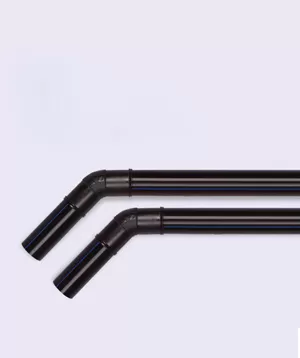
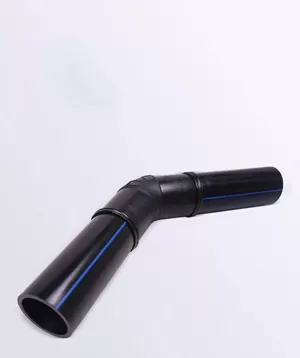
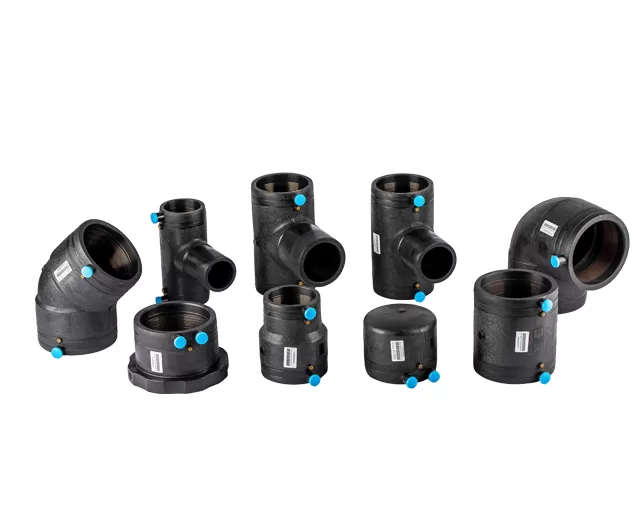
Underground poly gas pipes, such as HDPE gas lines and PE100 poly pipes, form a reliable backbone for gas delivery systems, emphasizing ease of installation and minimal maintenance. These pipes with municipal pipe fittings feature fusion-welded joints for leak-proof connections, adaptability to soil movements, and UV resistance during handling. Essential specifications, including diameter ranges, SDR ratings, and performance under varying pressures, are outlined in PE100 pipe datasheets and industry standards. This section covers step-by-step installation processes, trenchless methods, and preventive maintenance strategies to ensure a long service life. Proper handling of polyethylene underground gas piping guarantees operational safety, regulatory compliance, and reduced downtime, providing utilities with a resilient infrastructure that supports efficient energy supply while reducing long-term operational costs and environmental impact.
Why Choose JIANGTE Polyethylene Underground Gas Piping
JIANGTE's underground gas polyethylene PE piping delivers exceptional durability and performance. Polyethylene PE100, a high-crystallinity polymer, adapts to temperature changes, transitioning between crystalline (hard solid), highly elastic (rubber elastomer), and viscous flow (viscous fluid) states. Manufactured using a fully automated production line with advanced German technology, our HDPE 100 pipes ensure quality stability, uniform plasticization, and consistent pipe strength, meeting stringent standards like GB/T 15558.1 and ISO 4437.
Our polyethylene plastic gas pipes support heat fusion and electrofusion welding, offering high tensile strength, excellent toughness, and reliable sealing. They provide low-temperature resistance, corrosion resistance (no need for anticorrosion coatings), lightweight design, and flexibility for bending with terrain, making them seismic and subsidence-resistant. With superior welding performance, easy connections, and compatibility with gas cutting tools for quick repairs, these HDPE gas lines minimize gas stoppage ranges and facilitate rapid emergency fixes. Additionally, they offer low construction and production costs, a controlled installation process, and a safe service life of up to 50 years. Compared to steel pipes, JIANGTE's poly gas pipes provide significant advantages, with a maximum working pressure of up to 1.0 MPa.